Disclosure: Some links on this page are affiliate links. If you buy through them, we may earn a small commission at no extra cost to you. See our affiliate disclosure for details.
It is 3am in a field near the end of September. You have your fleece on, the hood of the sleeping bag pulled tight round your face, and your hips are still cold. Outside, the grass has gone crunchy with frost. Inside, you are counting the hours until the sun reaches the tent.
Here is the short answer to how to stay warm while camping: put more insulation under you, make your sleeping bag fit and seal properly, go to bed warm, fed and dry, and let the tent breathe so damp does not creep in. Most cold nights come from the ground and from climbing into bed already chilly, not from a bag that is too thin.
Table of contents
Why you get cold in a tent
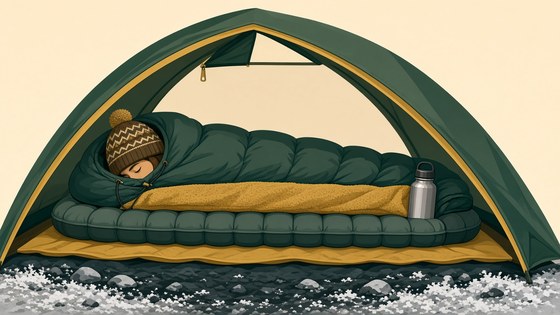
You lose heat in a few ways overnight, and the one people miss is the ground. Whatever you lie on pulls warmth out of you, and cold, damp earth is very good at it. Your sleeping bag fill gets squashed flat under your weight, so it does very little underneath you.
Air temperature matters, of course, but a calm 5°C night on a good pad often feels kinder than a 10°C night on a thin one.
Start with what is under you
This fix rescues the most nights. Sleeping pads carry an R-value, a number that tells you how well they resist heat flowing into the ground. Higher is warmer. Around 2 suits summer. Where frost is possible, aim for roughly 4 or more.
Our guide to the best sleeping pads for camping explains the main types. Already own a summer pad? Lay a closed-cell foam mat underneath and the R-values roughly add together. Foam is cheap and cannot puncture.
If you are shopping anyway, an insulated sleeping pad with an R-value of 4 or more is worth a look before you spend on a warmer bag. My opinion: for most three-season campers the pad is the better upgrade.
On car camping trips the usual culprit is the airbed, which holds a lot of cold air right under your back. Put a blanket or foam mat on top and you will feel the difference.
Make your sleeping bag earn its keep
Look at the comfort rating, not the limit rating. The limit figure is closer to a long, miserable night. Pick a bag whose comfort rating sits at or below the coldest night in the forecast. The best sleeping bags for camping guide walks through how those ratings work.
Then use the features. Cinch the hood so only your nose and mouth show, and close the draught collar. Warm air puffs out of the neck opening every time you roll over.
A roomy bag leaves dead space your body has to heat. If yours is on the roomy side, a fleece sleeping bag liner takes up the slack, adds a bit of warmth and keeps the bag cleaner.
Skip the big puffy jacket inside a snug bag. It can squash the fill. Lay it over the top of the bag instead.
Go to bed warm, fed and dry
A sleeping bag does not make heat. It holds on to whatever heat you bring into it, so climbing in cold can mean a cold night.
Warm up first: a brisk walk round the field or a few squats beside the tent, without breaking a sweat. Damp layers chill you later.
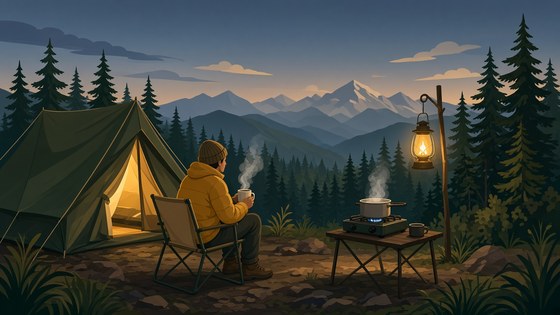
Eat something with a bit of fat in it before bed: cheese, nuts, a proper dinner. A hot drink helps too, and a decent camping stove makes that easy even when you are tired. Go easy on the tea just before bed, though. Nobody enjoys a 2am trip to the hedge.
Change into dry clothes for sleeping, because the base layer you walked in is damp even when it feels fine. Keep thick socks and a warm hat that only come out in the tent.
Small tricks that punch above their weight
- A hot water bottle. Fill a sturdy bottle that is rated for hot liquid (a wide-mouth water bottle is the classic), screw the lid down hard, slide it into a sock and tuck it between your thighs or by your feet. Check for leaks before it goes anywhere near the bag.
- Empty your bladder before bed. Getting up at 3am lets all the warmth out.
- Keep your head off the floor. A proper camp pillow or a stuff sack of spare clothes stops your head resting on a cold patch of groundsheet.
- Pitch out of the hollow. Cold air pools in dips, so a spot a little higher with a hedge breaking the wind is often milder.
A tent with a full-length flysheet also keeps wind off better than a mesh-heavy summer design, and our best camping tents guide points out which styles run airy.
Safety: never run a stove, barbecue or fuel heater inside a tent or its porch to warm up. They give off carbon monoxide, which you cannot see or smell, and it kills campers every year.
Deal with condensation before it chills you
It sounds backwards, but zipping every vent shut can leave you colder. The moisture you breathe out settles on the walls, drips onto your bag, and damp insulation is poor insulation.
Open a high vent or two, even on cold nights, and leave wet boots and jackets in the porch rather than the inner.
How to stay warm while camping: quick questions
Is it warmer to sleep naked in a sleeping bag?
Not really, that one is an old myth. A clean, dry base layer keeps the inside of the bag drier and adds a little insulation of its own. What matters most is that whatever you wear is dry.
Is a car warmer than a tent on a freezing night?
Not automatically. Glass and metal lose heat quickly, so you still need a good pad and bag. A car does keep the wind off, which helps. Crack a window slightly to cut condensation, and never run the engine while you sleep.
Before you zip up tonight
If you only change one thing, put more insulation under you. If you change two, go to bed warm. Everything else is fine tuning, the sort of thing you pick up one slightly chilly night at a time.
And when you pack for the next trip, keep our car camping checklist open so the thick socks and the hat actually make it into the boot this time.


Leave a Reply