Disclosure: Some links on this page are affiliate links. If you buy through them, we may earn a small commission at no extra cost to you. See our affiliate disclosure for details.
The wrong pack announces itself about forty minutes from the car. One shoulder burns. The hip belt rides up onto your ribs. A bottle you thought was secure starts bouncing against your hip with every step. You are not unfit. The bag simply does not fit the way you walk.
The best hiking backpacks are the ones you stop adjusting after the first mile: torso length that matches yours, a hip belt that actually carries the load, and a volume that matches the trip instead of the gear you might one day own. Fit beats brand every time.
The quick version: measure your torso (C7 vertebra to the top of your hip bones), buy for the trip you actually do most, and try the pack on with weight in it. A well fitted daypack beats a huge overnight bag worn half empty. Keep wet kit and electronics in a roll-top dry bag so one river splash does not ruin the weekend.
Table of contents
Fit first: torso, hips and load
Pack size on the hangtag is volume in litres. Fit is a different number. Most brands list torso ranges (for example 16 to 19 inches). Measure from the bony bump at the base of your neck down to the line between your hip bones. If you sit between sizes, try both. A pack that is too long dumps weight onto your shoulders. One that is too short digs into your lower back.
The hip belt should sit on the iliac crest, not on soft belly, and take most of the load once you cinch it. Shoulder straps mainly keep the pack from tipping. Load lifters (the short straps that pull the top of the pack toward your collarbones) pull the weight in close so it does not lever you backward on climbs.
My opinion: spend ten minutes in a shop with books or water bottles in the pack before you buy online. A bag that feels fine empty often feels wrong at eight kilos. If you already own boots you are breaking in, wear them for the try-on so the whole system feels honest.
Daypack, weekend or overnight?
Match litres to the nights you actually spend out, not the fantasy thru-hike.
- Daypacks (around 18 to 30 litres): water, layers, lunch, a headlamp and a small first-aid kit for most day hikes.
- Weekend packs (around 35 to 50 litres): one or two nights with a compact bag, pad and stove if you pack carefully.
- Overnight or multi-day packs (around 50 to 70 litres): longer trips, colder kit or shared group gear.
A half-empty large pack swings and rubs. A stuffed small pack forces bad packing choices. If most of your trips are day walks with the odd Friday-night camp, a solid 22 to 30 litre pack plus a soft overnight bag you borrow or rent for big trips often beats owning one giant bag you resent every Saturday.
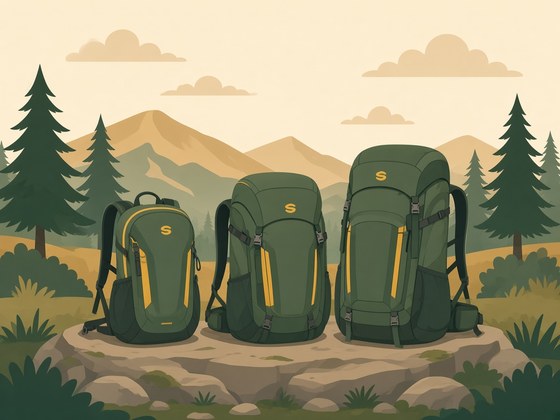
Three hiking backpacks worth a look
These three cover the main trip lengths. Specs shift by year and size, so treat the litre numbers as a guide and check the current model before you buy.
Osprey Talon 22 / Tempest 22
Osprey’s Talon (men’s) and Tempest (women’s) daypacks are the kind of bags people buy once and then wear into the ground. Around 22 litres, a light frame, stretch mesh for a jacket or helmet, and a harness that comes in torso sizes. Plenty of hikers use them for fast day walks and short approaches.
Best for: day hikes and light, fast kit. Osprey Talon 22 on Amazon (search Tempest 22 if you want the women’s harness).
Gregory Zulu / Jade (around 30 litres)
Gregory’s Zulu and Jade lines sit in that awkward middle where a big daypack becomes a light weekend pack. Ventilated back panels, a stable hip belt and enough room for a compressed bag if you are ruthless about what you bring. Good when your “day hike” keeps growing a thermos, camera and extra layers.
Gregory Zulu 30 on Amazon (Jade is the women’s counterpart).
Kelty Redwing 44
The Redwing 44 is a classic weekend and short-overnight size without the price of a premium ultralight frame. Top-loading main body, solid hip belt, and enough volume for a compact sleep system if you use dry bags to compress and organise. It will not win a gram-shaving contest. It will get you through a wet British weekend without drama.
Skip if: you only walk day routes and hate unused capacity. Kelty Redwing 44 on Amazon.
Packing habits that save your shoulders
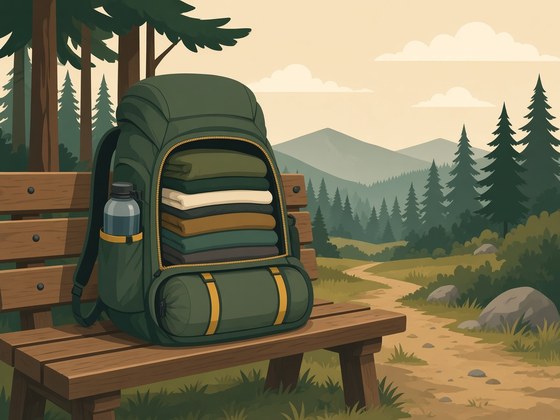
A good pack still hurts if you load it badly. Heavy items (water, food, stove fuel) belong close to your back and roughly between the shoulder blades. Soft, light layers fill the bottom and edges. Rain gear and snacks live where you can reach them without emptying the bag on a muddy verge.
Our tip on how to pack a hiking backpack walks through the layer cake in more detail. Pair that with trekking poles on steep ground so your knees and shoulders share the work, and keep a spare pair of hiking socks in a dry pocket for camp. A compact headlamp in the lid pocket means you are not digging at dusk.
If your boots are still new, do not make a loaded overnight the break-in day. Settle the boots first with the approach in our tip on how to break in hiking boots, then add pack weight gradually.
Hiking backpack FAQ
Should I buy men’s or women’s? The labels mostly track harness and hip-belt shape. Try both if the shop lets you. A “men’s” pack that fits your torso is better than a “women’s” pack that does not, and the reverse is just as true.
Do I need a rain cover? Built-in covers help in short showers. For real weather, a pack liner or dry bags inside matter more than a flapping cover. Wet sleeping kit is the expensive failure mode.
Hydration sleeve or bottles? Either works. Sleeves keep weight centred. Bottles are easier to refill from a stream once you have filtered. Many packs support both.
Choose the pack for the trips you take most often, get the torso and hip belt right, and pack heavy things close to your back. The trail feels shorter when the bag finally disappears.