Disclosure: Some links on this page are affiliate links. If you buy through them, we may earn a small commission at no extra cost to you. See our affiliate disclosure for details.
The first bag of ice always looks generous until Saturday lunch. By then the lid has been opened a dozen times, the sun has found the boot, and someone has stacked drinks on the cheese. Car camping coolers are not fashion props. They are the quiet difference between safe leftovers and a long drive home for groceries.
If you want a straight answer on the best coolers for camping when the car is parked beside the pitch, start with how long you need ice, how much food you haul, and which style suits the trip: a hard box, a soft tote, or something in between. Ice retention, usable size, and honest weight beat a glossy logo. This guide is for weekend and overland coolers, not backpacking.
Quick version: a premium rotomolded box earns its weight on long, hot weekends. A midsize value hard cooler covers most one to three night trips. A budget chest is fine for short temperate breaks, and a soft cooler handles day trips away from the car.
| Product class | Best for | Key spec band | Skip if |
|---|---|---|---|
| YETI / premium rotomolded (Roadie class) | Multi-night ice when lid stays shut | Thick walls; heavier empty weight | You only need a day of cold drinks |
| RTIC Ultra-Light class | Value midsize hard cooler weekends | ~40 to 52 qt sweet spot for many couples | You need the absolute lightest soft tote |
| Coleman / Igloo budget hard chest | Capacity per pound and price | Blow-molded; great for short temperate trips | Four-plus nights without an ice stop in heat |
For the rest of the weekend kit, see our guides to the best camping tents, the best camping stoves, and the best sleeping bags for camping. If you are packing the whole boot, our car camping checklist covers everything from the tent to the tin opener.
Table of contents
How to choose the best coolers for camping
“Best” depends on trip length and how you pack. A day at the lake needs cold drinks until dusk. A four-night pitch far from a shop needs food-safe temperatures when you open the lid on day three. Premium rotomolded boxes often stretch ice further. Budget blow-molded chests often win on capacity per pound and price. Soft coolers win when you want to carry lunch to a picnic table or squeeze into a crowded boot.
Ice retention without the marketing fog
Ice life is not a single number. Shade, starting ice quality, how full the box is, and how often you open the lid matter as much as wall thickness. Published retention figures are useful for ranking models against each other. They are not a promise that your Friday ice bag will still look solid on Wednesday in a hot car park.
As a rough rule of thumb for car camping:
- Day trips: almost any decent cooler works if you pack cold food and keep the lid shut between grabs.
- One to three nights: a midrange hard cooler or a well-packed budget chest is usually enough in temperate weather.
- Four or more nights without resupply: look at thicker insulation, fewer lid openings, and a higher ice-to-food ratio, or plan a midweek ice stop.
Block ice melts slower than bagged cubes. Pre-chill the cooler and the drinks. Keep raw meat low and sealed. Drain meltwater only when you must. There is no single correct ritual, only habits that reduce warm air swaps.
Hard-sided vs soft-sided (and when size bites)
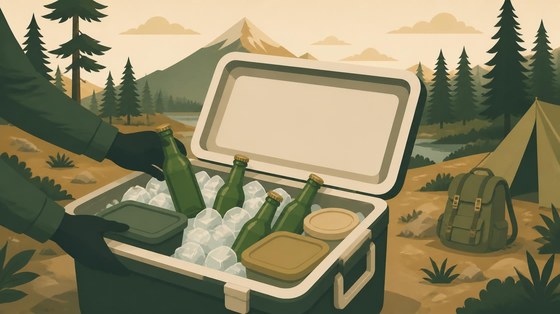
Hard coolers protect food, double as a seat or side table, and usually hold ice longer. They are heavy when full and take more boot volume.
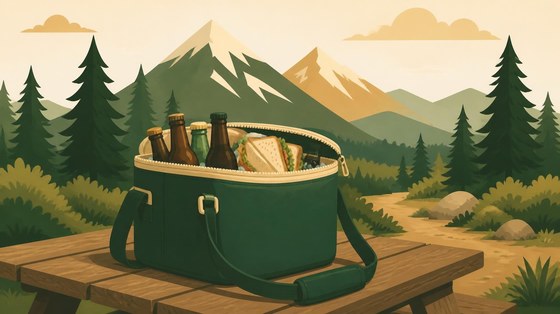
Soft coolers pack flatter, carry like a bag, and suit day hikes from camp, beach walks, and crowded boots. Ice life is shorter in most soft designs, and zips take more abuse from gravel. They are a poor primary chest for a long hot weekend unless you refresh ice often.
Size is the quiet trap. A 70-quart family box swallows a week of drinks and still leaves room for a watermelon. A 40 to 52 quart “weekend” size is the sweet spot for many couples and small groups. Measure your boot before you fall in love with a wheeled fortress.
Bears, locks, and what certification really means
Some premium hard coolers carry Interagency Grizzly Bear Committee (IGBC) bear-resistant ratings when used with the right locks. Rubber latches alone are not the certified system, and local rules may still require lockers, hung bags, or vehicle storage.
For most UK and temperate European car camps, bear certification is irrelevant. In bear country, treat certified hard coolers plus proper locks as one tool among site rules, not a licence to leave food out.
Cooler picks worth browsing
These names keep turning up in car-camping roundups. Compare current capacity, weight, and retention claims before you buy.
Premium rotomolded: YETI Roadie and Tundra class
For multi-night pitches where ice is hard to replace, thick rotomolded boxes are the reference point. Tight gaskets and heavy walls stretch ice further and shrug off rough handling. The catch is weight: they are heavy before you add a single can, and the price mostly buys durability, not miracles.
Best for: long weekends and hot car parks. Skip if you only need a day of cold drinks. Browse YETI coolers on Amazon.
Value midsize hard cooler: RTIC Ultra-Light class
This is the sweet spot many couples want: a 40 to 52 quart hard cooler that is lighter than full rotomolded tanks and kinder on the budget. Ice life is shorter than the thickest premium boxes but plenty for one to three nights with sensible habits. Worth a look: RTIC Ultra-Light coolers on Amazon.
Budget hard chest: Coleman and Igloo
Blow-molded chests still win on capacity per pound and price. They are fine for short temperate trips and make a good second drinks cooler, so the food box stays shut. Opinion: two cheap coolers, one for drinks and one for food, often beat one expensive box that gets opened every ten minutes. Search Coleman coolers on Amazon.
Once the ice is sorted, a decent seat matters just as much: browse our guide to the best camp chairs for car camping.
Quick FAQ
Hard cooler or soft cooler for weekends?
Hard coolers usually hold ice longer and double as a seat. Soft coolers win for day trips from camp and crowded boots.
Should I drain the meltwater?
Cold meltwater still helps keep things chilled. Drain it when it starts to swamp food packaging, or just before you add fresh ice.





Leave a Reply