Disclosure: Some links on this page are affiliate links. If you buy through them, we may earn a small commission at no extra cost to you. See our affiliate disclosure for details.
It is half nine, the car is parked on damp grass, and the tent is finally up. Then someone asks where the tin opener is. Nobody knows. The beans stay sealed, the stove hisses at nothing in particular, and dinner turns into a bag of crisps while the midges move in.
That is the whole case for writing it down. The short answer: a good car camping checklist covers six groups. Shelter and sleep, kitchen and cooler, light and power, comfort, clothing and safety, and the small things people forget. Pack each group into its own box or bag, tick it off at home, and you will rarely be stuck. This list is built for a two or three night weekend with the car a few steps from the pitch.
Table of contents
Shelter and sleep
Sleep is where weekends quietly fall apart. One cold, lumpy night makes everything the next day feel harder than it is. Our guide on how to stay warm while camping sorts out most of the cold part.
- Tent with poles, pegs, and guylines (count the pegs at home, not at the pitch)
- Footprint or groundsheet
- Mallet and a few spare pegs
- Sleeping bag rated for the coldest night in the forecast, not the average
- Sleeping pad or airbed, plus the pump
- A real pillow, because this is car camping
- Spare blanket to throw over the bag
Still choosing a shelter? Our guide to the best camping tents for car camping sticks to roomy weekend sizes. For the bed itself, see the best sleeping bags for camping and the best sleeping pads for camping. My opinion: on most British summer nights the pad matters more than the bag. Cold ground pulls heat out of you faster than cool air does, and a thin pad is the usual reason people wake at 3am.
Kitchen and cooler
Cooking is half the fun and most of the forgetting.
- Stove, fuel, and a lighter, plus backup matches
- Pan, pot, and a kettle if you are a tea household
- Plates, mugs, cutlery, and one sharp knife
- Tin opener and bottle opener
- Chopping board and a roll of foil
- Cooler with ice packs or block ice
- Water container, at least 10 litres
- Washing up bowl, sponge, biodegradable soap, and a tea towel
- Bin bags, more than you think
A two burner stove makes breakfast for four far calmer, and the best camping stoves guide walks through the trade-offs. To keep milk and meat cold until Sunday, have a look at the best coolers for car camping. Pre-chill the cooler the night before you leave. A warm box eats ice fast.
Water is the bulky one. A collapsible water container folds flat for the drive home, which matters once the boot is full of muddy kit.
Light and power
Dark comes on quickly at a campsite, especially in a field with no street lamps and a hedge blocking the sunset.
- A headlamp for every person, with spare batteries or a charging cable
- A lantern for the table or the tent
- Power bank for phones
- 12V car charger or adapter
- Small torch that lives in the glovebox
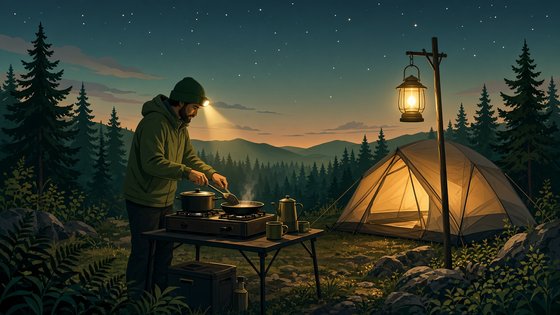
A headlamp beats a phone torch whenever you need both hands, which is most of the time at camp. Our best headlamps for camping and hiking guide covers brightness and red light modes. A rechargeable camping lantern takes care of the table, so nobody has to cook inside a headlamp beam. Most weekends run fine on a couple of charged power banks. Bigger power setups are a separate decision.
Camp comfort
This is the bit backpackers mock and car campers quietly enjoy.
- Camp chairs, one per person
- Folding table
- Tarp for rain and shade, with poles and cord
- Doormat or small rug for the tent porch
- Cards, a book, or a game for the long evening
A decent chair changes the whole evening. Low and wobbly gets old fast, so the best camp chairs for car camping guide leans towards stable, supportive frames. A folding camping table gets the stove off the grass, and your back will notice by Sunday.
Clothing and safety
British weather does not read forecasts. Pack for the evening, not the afternoon.
- Waterproof jacket and trousers
- Warm layer such as a fleece or synthetic jacket
- Hat and gloves, even in summer
- Spare socks, more than seems sensible
- Wellies or waterproof boots, plus easy camp shoes
- Dry clothes you only wear in the tent
- First aid kit with plasters, blister care, painkillers, antihistamines, and any personal medication
- Sun cream and insect repellent
- Fire blanket if you cook near the car
Keep the first aid kit in the same spot every trip so anyone can find it. Never run a stove or barbecue inside a tent, awning, or closed car. Carbon monoxide builds up quietly and can kill. Check the site rules on fires and fire pits before you light anything.
Small things people forget
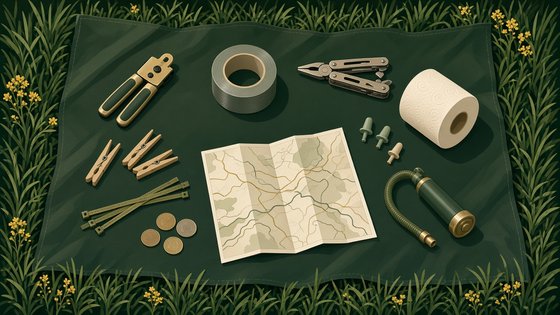
Every camper has a private list of things they swore they would never forget again. Here is a starter.
- Toilet roll and hand sanitiser
- Duct tape and a few cable ties
- Multi-tool or penknife
- Clothes pegs and a short washing line
- Earplugs
- Booking confirmation and site address, saved offline
- Coins or cash for showers and firewood
- A bag for wet and muddy kit
- The airbed pump, again
That last one is a running joke for a reason. Nobody notices it is missing until the light has gone and the airbed is a sad rubber sheet on the floor.
Car camping checklist questions
How far ahead should I pack for a weekend car camping trip?
Start a day or two before. Lay everything out by group, check that the tent and stove work, and charge lights and power banks the night before. Load the tent and sleep kit last so they come out first at the pitch.
Do I need a cooler for a two night trip?
For fresh food, usually yes, unless the site has a shop you trust. A pre-chilled cooler with block ice tends to carry milk, meat, and butter through a weekend. Keep it in the shade and open it as little as you can.
Can I sleep in my car instead of a tent?
Plenty of people do on short trips. Fold the seats as flat as they go, add a pad, and crack a window to cut condensation. Never run the engine or a fuel heater while you sleep, and check that the site allows it.
Before you shut the boot
Walk round the car once with the list in your hand. Read it out loud if that helps. It feels a bit daft, and it works.
When you get home, jot down what you missed and what never left its bag. By the third weekend the list is yours rather than ours, which is exactly how it should be.


Leave a Reply