Disclosure: Some links on this page are affiliate links. If you buy through them, we may earn a small commission at no extra cost to you. See our affiliate disclosure for details.
There is a particular sound a cotton sock makes inside a wet boot. A sort of squelch with every step, and by the second hour it has bunched under your arch and started chewing the back of your heel. Most people blame the boots. Often it is the socks.
The best hiking socks are the ones you stop thinking about after the first mile: wool or a wool blend, a snug fit with no loose fabric at the heel, and cushioning matched to the trip. Good socks are the cheapest upgrade in your whole kit, and they do more for comfort than a lot of gear that costs ten times as much.
The quick version: for most walkers, a merino crew sock with light cushioning is the safe pick. Go thicker for cold weather or heavy loads, thinner for hot summer days. If you get blisters between your toes, toe socks are worth a try. Avoid cotton for anything longer than a dog walk.
Table of contents
What makes a good hiking sock
Three things matter more than the brand on the cuff.
Fibre. Merino wool handles sweat well, stays warm when damp and resists odour, which is why so many hikers wear it. Synthetic blends dry faster and tend to last longer. Most good hiking socks mix the two, with a little nylon for strength and elastane for stretch. Cotton holds water against your skin, and wet skin is soft skin that blisters easily.
Fit. A hiking sock should feel close all over with no wrinkles. The heel cup should sit exactly on your heel, not halfway up the back of your ankle. If a sock slides down into your boot after a mile, it is the wrong size, however nice it feels in the shop.
Height. Pick a cuff that sits above the top of your footwear. Low socks suit trail runners, crew height suits most walking boots, and taller socks help with high boots or gaiters.
How much cushioning do you need?
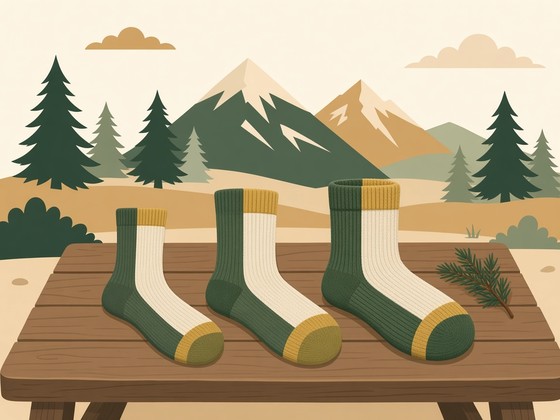
Cushioning is the padding knitted into the sole, and more is not always better. Extra thickness takes up room in the boot, so a sock that feels lovely on the sofa can make a well-fitted boot feel tight and hot on a climb.
- Ultralight or no cushion: hot weather, trail runners, people whose feet sweat a lot.
- Light cushion: the all-rounder for day hikes and most three-season walking.
- Medium or full cushion: cold days, heavy packs, long descents and stiff boots.
My opinion: most people buy too much cushioning. A light cushion sock in a properly fitted boot beats a thick sock squeezed into a boot that is slightly too small. If you are carrying a heavy load and your knees ache on the way down, using trekking poles well will help more than extra padding underfoot.
Three hiking socks worth a look
There are dozens of decent options. These three cover the main types, and each one is easy to find in different heights and thicknesses.
Darn Tough Hiker Micro Crew Cushion
Darn Tough socks are made in Vermont from a merino blend, and the company is known for a lifetime guarantee on its socks. The Hiker Micro Crew is a sensible middle ground: tall enough for most boots, cushioned underfoot, with a close fit that does not bunch. They cost more than a supermarket multipack, but you will not be replacing them every season.
Best for: anyone who wants one pair that does nearly everything. Darn Tough Hiker Micro Crew on Amazon.
Smartwool Hike Light Cushion Crew
Smartwool is one of the best known merino sock brands, and its Hike Light Cushion range is aimed squarely at day walkers. Light padding under the foot, a softer feel against the skin, and a good choice for people who find heavy wool socks itchy or too warm in spring and summer.
Smartwool Hike Light Cushion Crew on Amazon.
Injinji Trail Midweight Crew (toe socks)
Toe socks look odd and take a few seconds longer to put on. They also give each toe its own sleeve, which stops toes rubbing against each other, a common cause of blisters on long days. Some people love them and some people never get used to the feel, so start with one pair before you buy a drawer full.
Skip if: you have never had trouble between your toes. Injinji Trail Midweight Crew on Amazon.
Caring for hiking socks on and off the trail
Socks do a lot of work and a little care makes them last much longer.
- Wash them inside out on a cool cycle and skip the fabric softener, which can clog the fibres.
- Air dry rather than tumble dry on high heat, which shrinks wool and wears out the elastic.
- On a multi-day trip, rotate two pairs: wear one, dry the other on the outside of your pack.
- Keep one dry pair for camp that never goes inside your boots.
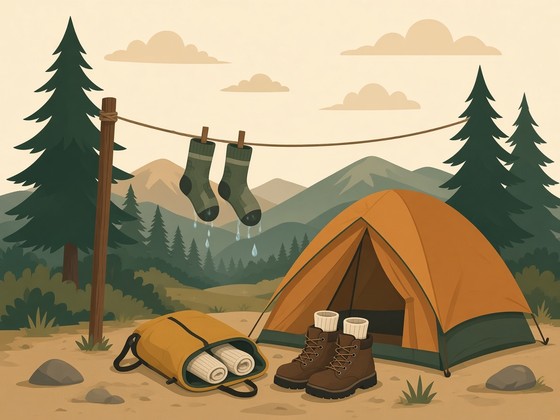
That last pair matters more than it sounds. Pulling on warm, dry socks in the tent is one of the small rules in our guide to staying warm while camping, and keeping them in a roll-top from our best dry bags list means a river crossing will not ruin them. Our notes on how to pack a hiking backpack cover where the spare pair should live so you can reach it quickly.
Hiking socks FAQ
Should I wear liner socks? Some hikers wear a thin liner under a thicker sock so the two layers rub against each other instead of against your skin. It is worth trying if you blister easily, but it adds bulk, so check your boots still fit.
How many pairs do I need? For day hikes, one good pair plus a spare in the pack. For a weekend, two or three pairs is plenty if you rotate and dry them.
Do good socks stop blisters on their own? They help a lot, but fit and early care matter too. Our tip on how to prevent blisters when hiking covers lacing and what to do about a hot spot.
Buy one good pair, wear it on a short walk, and pay attention to how your feet feel at the end. Your boots probably were not the problem after all.