Disclosure: Some links on this page are affiliate links. If you buy through them, we may earn a small commission at no extra cost to you. See our affiliate disclosure for details.
The river was only knee deep. The trouble was the slip halfway across, a quick sit-down on a mossy stone, and the pack that sat in the water for maybe four seconds. That night the sleeping bag felt like a cold flannel, and the spare socks were wet in a way that no amount of wringing fixed.
Most of us learn about the best dry bags exactly like this, after the fact. The short answer: a roll-top bag with a proper buckle, sized so you can fold the top over at least three times, will keep your sleeping bag, warm layers and electronics dry through rain, splashes and the odd clumsy crossing. You do not need many. Two or three, in different colours, is the sweet spot for most hikers and campers.
The quick version: buy a tough roll-top for anything that lives on a boat or the outside of a pack, a light sack for inside your rucksack, and a compression dry bag for your sleeping bag if space is tight. None of them are made to be held underwater, so treat “waterproof” as rain and splash proof, not diving gear.
Table of contents
How to choose the best dry bags
Most of the decisions come down to where the bag will live.
Roll-top vs zip
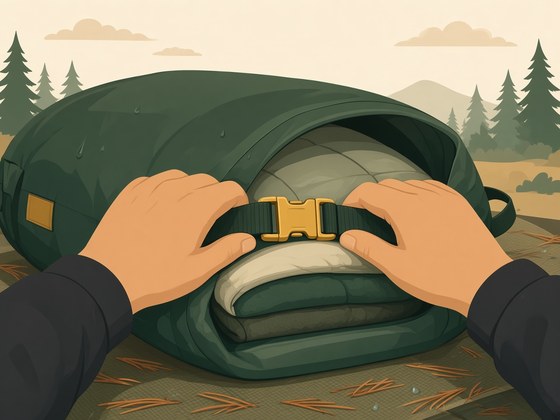
A roll-top closure is the standard for good reason: fold the top over three or more times, clip the buckle, and the folds do the sealing. Zip dry bags are easier to dig into, but they cost more, weigh more and need a clean zip to stay sealed. For walking and camping, roll-top wins.
Fabric weight and denier
Denier (the “D” number on the label) is a rough guide to how thick the fibres are. Light sacks around 30D to 70D save weight and pack small, but they scuff and puncture more easily. Heavier fabrics in the hundreds of denier shrug off rock and boat decks. Rule of thumb: thin inside the pack, thick outside it.
Pack liner or dry bags?
A pack liner is one big waterproof bag inside your rucksack. It is light and quick, and if you already know how to pack a hiking backpack well, it slots straight into that system. Separate dry bags are better for organisation and for keeping a damp tent away from everything else.
My opinion: use both. A liner for the main compartment, then a small dry bag for the things you would really hate to get wet, usually the phone, first aid kit and spare socks.
Waterproof vs submersible
Most dry bags are made for rain, spray and brief dunks. If you are kayaking or packrafting and expect to swim, look for bags sold specifically as submersible.
Sizes in litres and colour coding
Sizes are in litres, and the label is optimistic because the folds eat some volume. A rough guide:
- 2 to 5 litres: phone, wallet, keys, first aid kit, a small power bank.
- 8 to 13 litres: a fleece and a spare base layer, or a down jacket.
- 15 to 20 litres: a three-season sleeping bag, especially in a compression bag.
- 30 litres and up: canoe trips, or a tent and bedding strapped outside a pack.
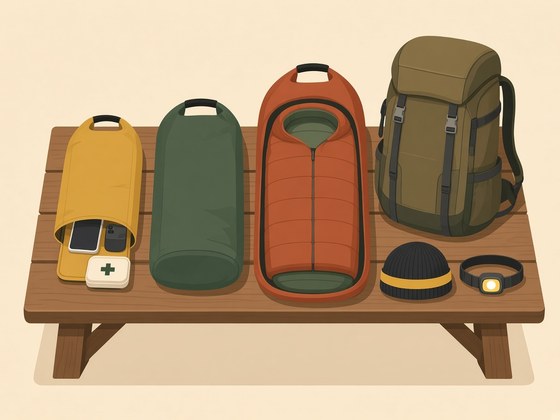
Colour coding sounds fussy until it is dark and raining. Pick one colour per job (yellow for first aid and electronics, green for clothes, orange for sleep kit) and you will find things by feel and glance, ideally under one of the best headlamps for camping and hiking rather than a phone torch held in your teeth.
Three dry bags worth the space
Three different shapes, rather than ten near-identical sacks.
Sea to Summit Big River Dry Bag
This is the heavy-duty option: thick laminated fabric, a stiff roll-top, lash points, and a flat oval base that stands up on its own. It is the one to choose for canoe trips, bikepacking or anything strapped to the outside of a pack, where abrasion is the real enemy.
Best for: boats, car camping and rough handling. Skip if: you count grams, as it is noticeably heavier than a lightweight sack.
See the Sea to Summit Big River Dry Bag on Amazon
Osprey Ultralight Dry Sack
A light ripstop roll-top sack that weighs very little and comes in several sizes and colours, ideal for the colour coding trick above. It belongs inside your pack, not dragged over granite on the outside.
See the Osprey Ultralight Dry Sack on Amazon
Sea to Summit eVac Compression Dry Bag
Think of this as a stuff sack and dry bag in one. The base is made from an air-permeable waterproof fabric, so you can squeeze air out as you cinch the compression straps, and the roll-top keeps rain out. It pairs well with any of our best sleeping bags for camping.
See the Sea to Summit eVac Compression Dry Bag on Amazon
Packing tips that keep kit dry
- Squeeze the air out before rolling.
- Roll at least three times, then buckle. Fewer folds is the most common reason a “waterproof” bag leaks.
- Keep the wet tent separate. If you are packing up after a soggy night, put the fly in its own bag and follow our guide on how to dry a tent when you get home.
- Pack your sleeping bag last on wet mornings so it spends as little time exposed as possible, the same logic as pitching a tent in the rain, just in reverse.
- Store bags open and dry at home. Damp folded bags grow mildew and pick up a musty odour that never quite leaves.
On river crossings, undo your hip belt and use your poles for balance (our tips on how to use trekking poles cover the basics). A dry bag protects your kit, but it does nothing for your knees.
Quick FAQ
How many dry bags do I need?
Two to four: sleep kit, spare clothes, a small one for electronics and first aid, plus one for wet gear if you have room.
Is a bin bag good enough?
It works in a pinch. It also tears on the first sharp corner and rustles loudly enough to annoy everyone in the tent.
Whatever you buy, the real win is the moment you unroll your sleeping bag at the end of a grim, wet day and it is dry, warm and smells faintly of nothing at all. That is worth a couple of buckles.